
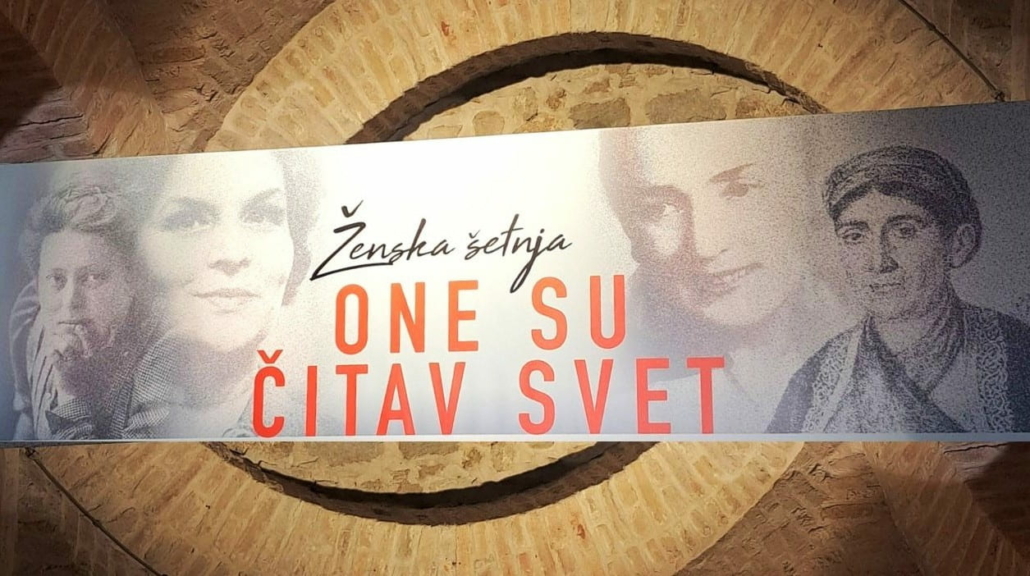
The Women’s Walk in Belgrade
“The Women’s Walk in Belgrade“ was organised on the 26th March by “Lepa & Srećna” magazine, following the story of famous Serbian women who pushed boundaries with their courage, talent and life choices.
Thanks to the kind invitation of the magazine’s editor, Žaklina Milenković, I had the honour and pleasure to join this inspiring journey through time. We remembered the wonderful women who marked our history.
The Women’s Walk in Belgrade
During our Women’s walk named “The women are the whole world“, we had the opportunity to visit places connected with four famous Serbian women, such as Milica Babić, Mira Trailović, Nadežda Petrović and Princess Ljubica.
Tourist guide Snežana Kusovac led us through the city, reminding us also of other famous women, such as Queen Marija Karađorđević and journalist Maga Magazinović.
👩🏻 Milica Babić, the first female costume designer in Serbia
Our meeting started with a tour of the Ivo Andrić Museum located in his former apartment, where he lived with his wife, Milica Babić.
Milica was born in 1909 in Bosanski Samac (a former part of Austria-Hungary, today’s Bosnia and Herzegovina) in a merchant family. From an early age, she had a talent for painting, which she inherited from her mother. She graduated from the Academy of Fine Arts in Vienna, but during her last year of studies, she opted for theatre and fashion costume. Several drawings by Milica can be seen in the museum.
👗Costumes by Milica Babić
From 1931 to 1964, with the pauses, she worked at the National Theatre as the first trained costume designer, and she also made masks and wigs. During that time, she designed costumes for over 300 drama, opera and ballet performances. She also taught at the Acting School of the Belgrade National Theatre from 1934. During her artistic training in Berlin from June 1939 to May 1941, she worked as a fashion correspondent for the “Politika” newspaper.
After World War II, she was a professor of costume design at the Academy of Applied Arts and the Theatre Academy in Belgrade. She collaborated with many theatres. For her work, she was awarded the Order of Labour with a Golden Wreath (1949), the “Sterija Award for Costume” (1956) and the plaque of the City of Belgrade (1964).
Milica was also a member of the Council of the Museum of Applied Arts in Belgrade for many years. She published expert articles on fashion, folk crafts and theatre costumes.
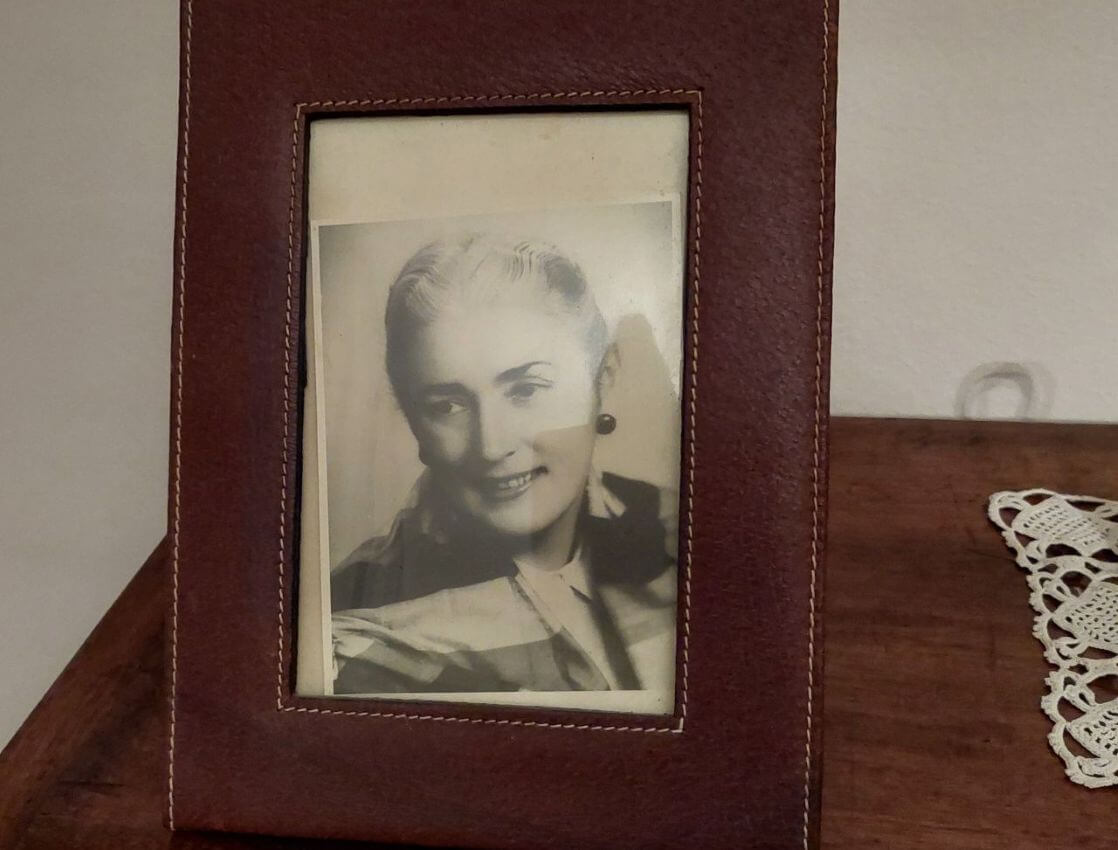
Milica Babić
Interestingly, she created a diplomatic suit for Ivo Andrić in Berlin in 1939. She wanted to incorporate national motifs into his suit, on the buttons and hat, while the coat of arms of the Kingdom of Serbs, Croats, and Slovenes was on the sword.
She also created the suit that he wore at the awarding of the Nobel Prize for Literature in 1961 in Stockholm, which was the crown of his creativity.
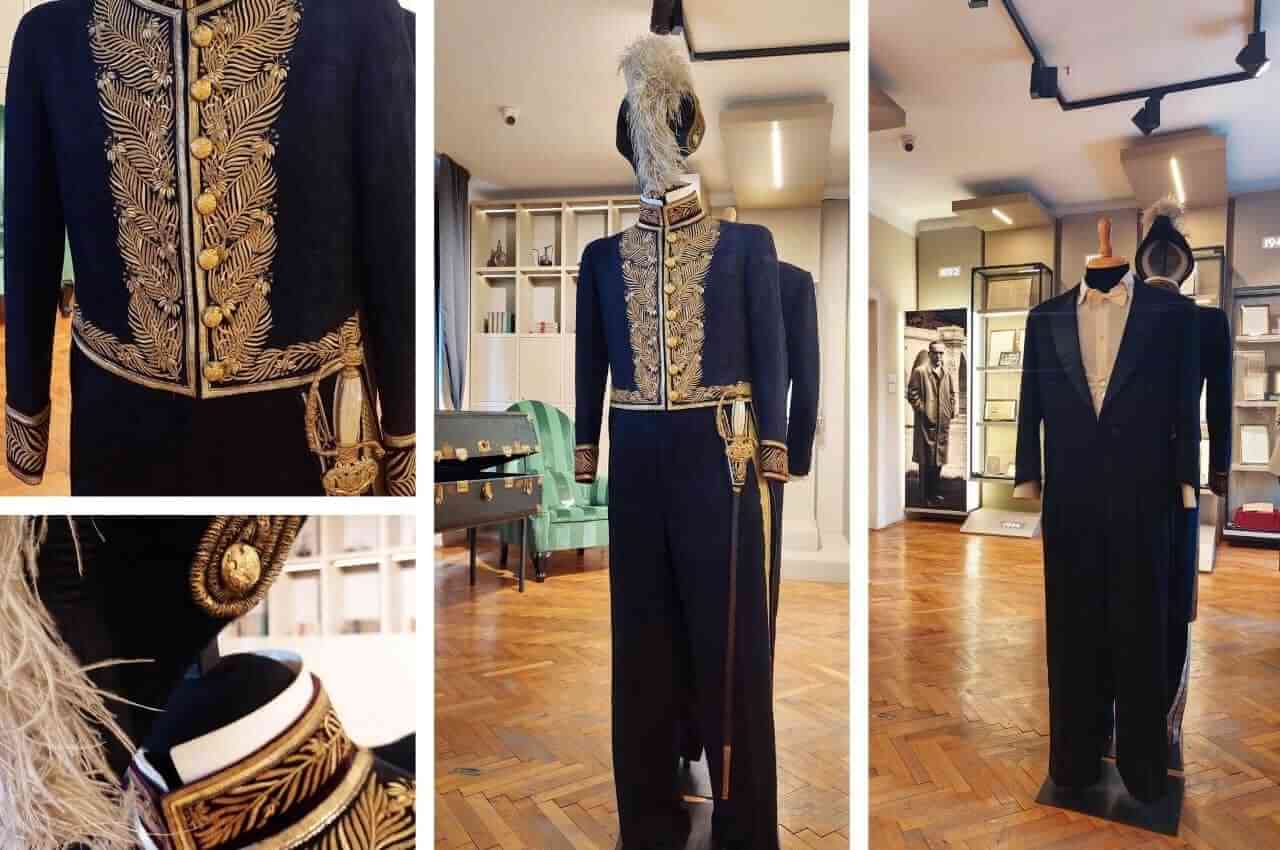
Diplomatic suit and the suit created for the Nobel Prize of Ivo Andrić
❤️ The love story of Milica and Ivo Andrić
By the way, Milica and Ivo were friends for decades, and Ivo waited for his great love for twenty years. It is believed that she inspired him for the famous story “Jelena, the missing woman”.
They got married in 1958, a year after the death of her first husband, Nenad Jovanović, a diplomat and translator. Milica was then 48 years old, and Ivo was 66 years old. They lived happily in Belgrade and in their house in Herceg Novi (today’s Montenegro), until she passed away in 1968. Milica was buried in the Alley of Distinguished Citizens at the New Cemetery in Belgrade, and seven years later, Ivo’s urn was also laid there.
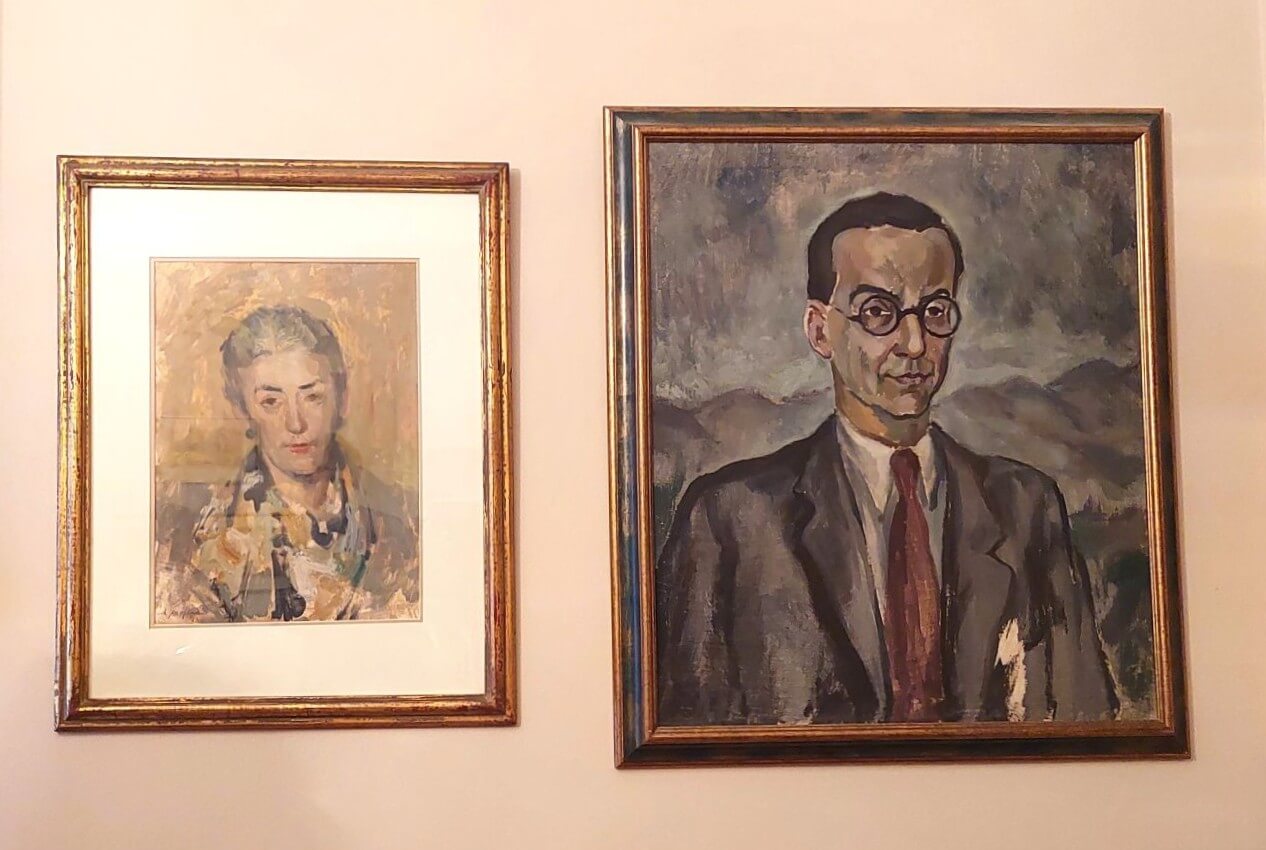
Portraits of Milica Babić and Ivo Andrić
The museum contains its original furniture, which Milica carefully selected, as well as personal items, original manuscripts of Andrić’s works, letters, photographs, Ivo’s Nobel Prize, portraits, and books.
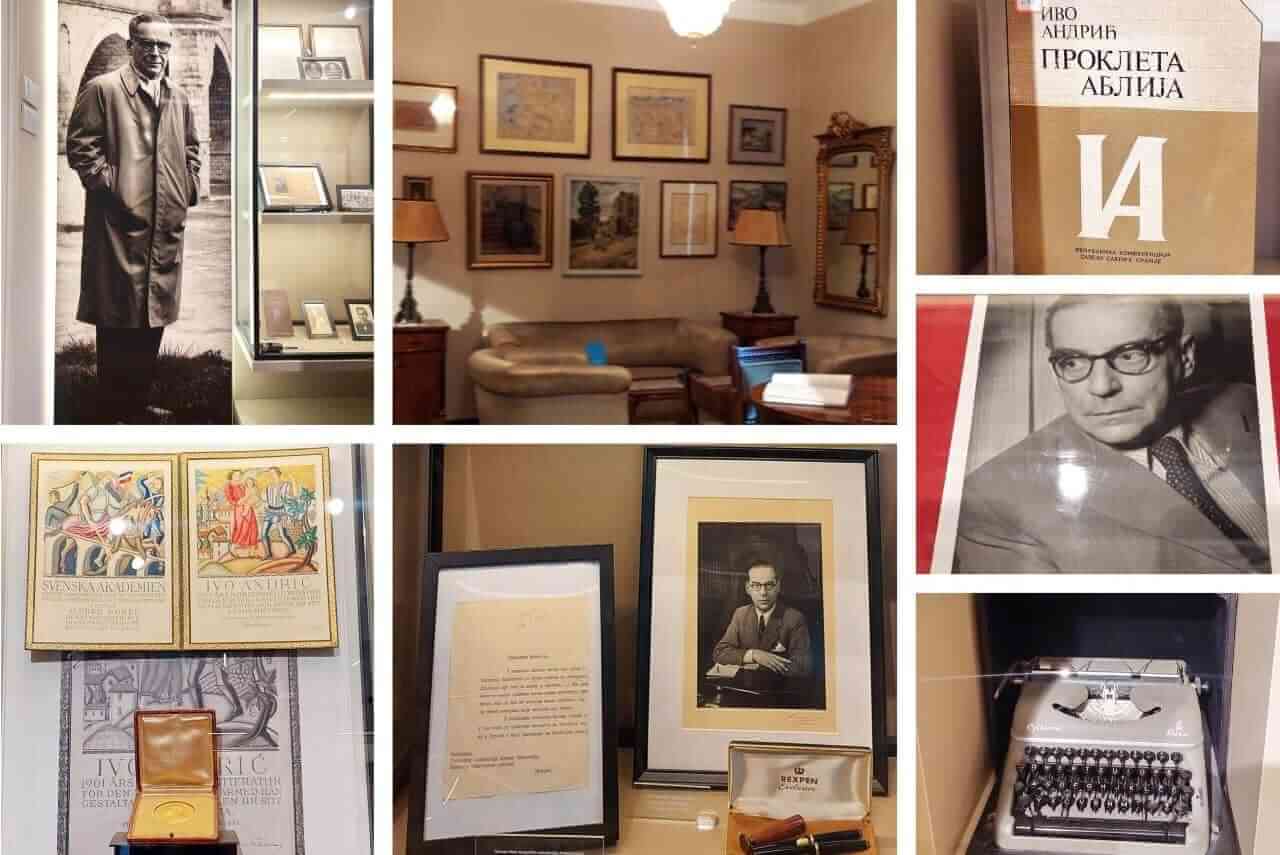
Inside the Museum of Ivo Andrić
📍Location: Ivo Andrić Museum, Andrićev venac, 8, next to Pioneer Park.
Opening hours: Tuesday, Wednesday, Thursday, Saturday: 10 AM-5 PM, Friday: 10 AM-6 PM, Sunday: 10 AM-2 PM, closed on Mondays.
👩🏻 Mira Trailović, theatre director and dramaturg
The Women’s Walk continued with a visit to the “Atelje 212” theatre. Actor Svetozar Cvetković welcomed us and talked about Mira Trailović, the Serbian and Yugoslav theatre director and dramaturg.
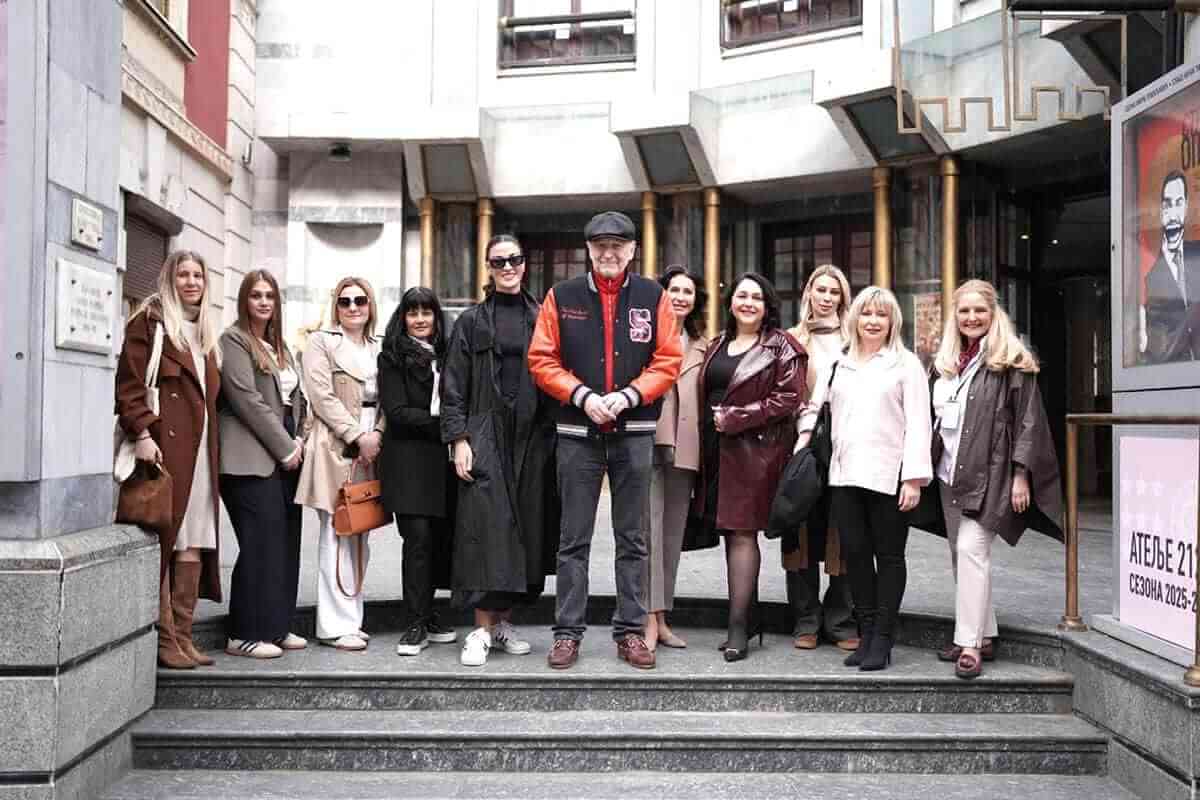
Atelje 212, Svetozar Cvetković and visitors of the Women’s Walk in Belgrade, photo by Matija Popović
Mira was born in Kraljevo on the 24th January, in 1924, in the distinguished family of Andrej and Radmila Milićević, professors of the French language. It is interesting that Mira’s grandmother, Katarina, was a court lady of Queen Natalija Obrenović, and her maternal ancestor was the famous constitutional defender Aleksa Simić.
First, Mira worked as an announcer, director and editor of the drama program at Radio Belgrade from 1944. In the Union of Communist Youth of Yugoslavia (SKOJ), to which she was never accepted, she met Dragoljub Guca Trailović, then an announcer and later a correspondent for “Politika” from Paris. They got married in 1949.
She graduated from the Music Academy, spoke several foreign languages, and began to study technology, architecture, and art history. But, in the end, she followed her heart and found her place in the theatre… She graduated in directing from the Faculty of Dramatic Arts in Belgrade, where she worked as a professor of radio directing for several years.
Mira Trailović, Photo: Archive of Atelje 212, Belgrade
🎭 Founding the theatre of “Atelje 212”
Thanks to her great strength and persistence, the theatre “Atelje 212” was created. More precisely, the occasion was the play “Waiting for Godot” by Samuel Beckett, which was banned in the Belgrade Drama Theatre in the 1950s. In the bohemian tavern “Three Hats”, Mira proposed something unexpected to her colleagues: to found a new and modern theatre.
In the hall of the former newspaper house “Borba”, in cooperation with Jovan Ćirilov and Radoš Novaković, the avant-garde theatre “Atelje 212” was created. It got its name because of the 212 chairs situated in the hall at the time. The first play, “Faust”, was performed on the 12th of November in 1956, under her direction, in front of distinguished guests and Jovanka Broz.
After some time, her collaborators, Radoš Marković and Bojan Stupica, came up with the idea of building a theatre in another place, i.e. in the former Ivo Lola Ribara street, where Atelje 212 is located today. Mira collected all the permits, and the theatre was opened with the play “Waiting for Godot”, which has been performed there in the following years.
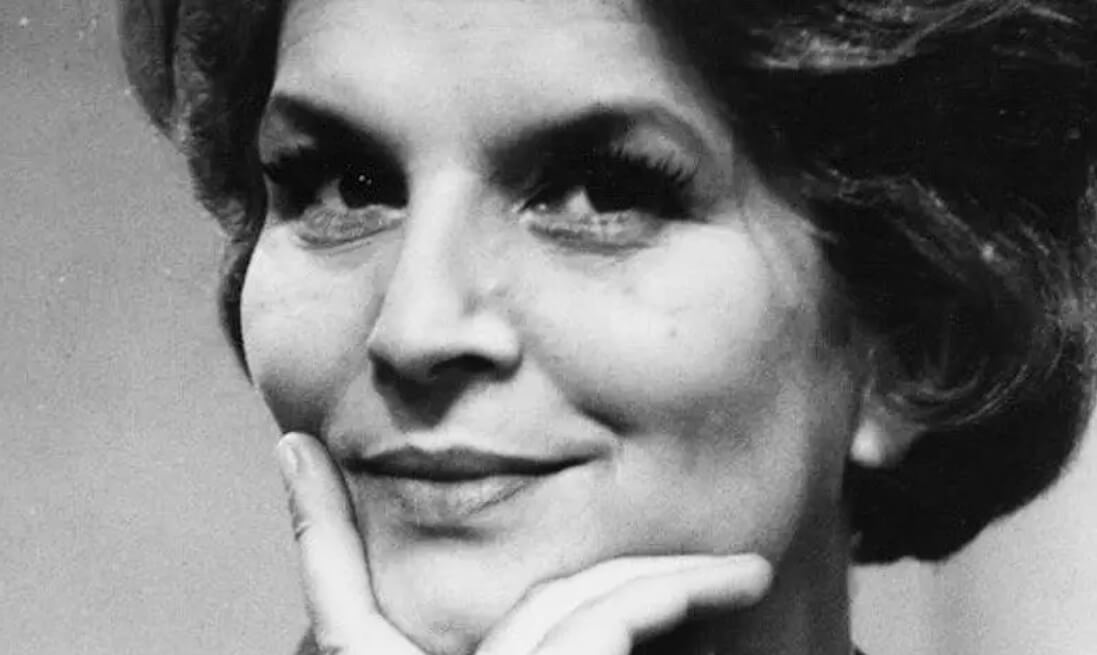
Mira Trailović, photo from Wikipedia
Performances at “Atelier 212”
After returning from a trip to New York, she came up with the idea to prepare the famous theatre play “Hair in 1969. She literally transferred everything she saw there to Belgrade and created a show that at the time caused people to run away from school, which sounds impossible today 😀
For more than two decades, Mira led this theatre, putting on the stage numerous and controversial plays that pushed the boundaries of freedom at that time. She directed more than 30 important plays, and over time, “Atelje 212” became known worldwide.
By the decision of the former regime, she had to leave her position of theatre manager after three terms. It was a very hard decision for Mira, which also affected her health. She was succeeded by her collaborator and right-hand man, director Ljubomir Muci Draškić.
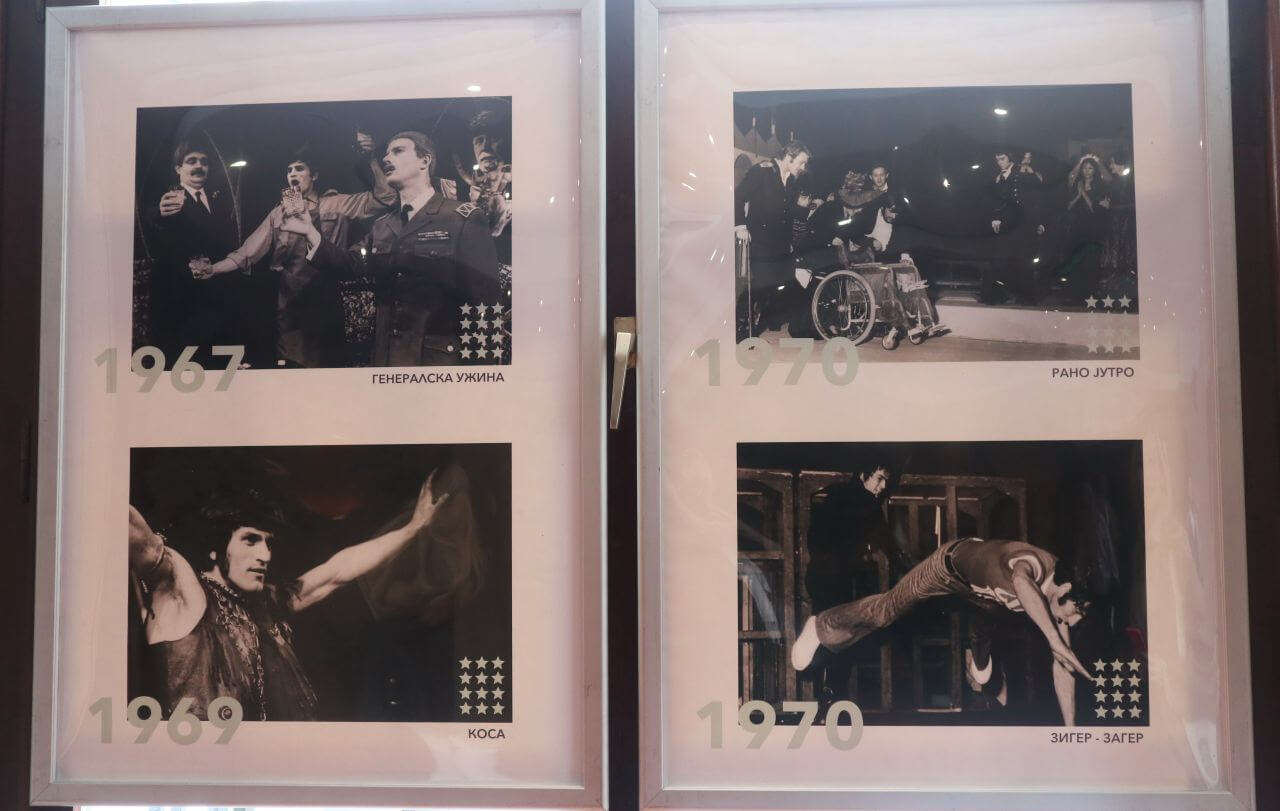
Several plays in Atelje 212, including the legendary “Hair” (Kosa) from 1969
🎭 Establishment of the BITEF festival and theatre
However, Mira does not give up her love for the theatre. Together with Jovan Ćirilov, in 1967, she founded BITEF, the Belgrade International Theatre Festival. It has become one of the most important cultural events, and it has gathered famous theatre names from all over the world for years.
The Bitef Theatre was opened on the 3rd of September in 1989. It is located in the reconstructed German Evangelical Church built in 1940, next to the Bajloni market. It is organised like modern European theatres, in which actors, writers, directors and other artists are engaged in specific projects.
Mira, “Bulldozer in a fur coat”
Thanks to her charm and persistence, Mira managed to realise her ideas and projects. She was not overly strict, but she loved success and had a great relationship with actors and collaborators. She is the winner of numerous awards. Known for her refined style and smile, she attracted attention everywhere. The French media affectionately called her “Bulldozer in a fur coat”.
Mira dedicated her whole life to the theatre, which was her “child”. Separation from it led her to illness and made her, in a way, give up on life. She died on the 7th August in 1989, and was buried at the New Cemetery in Belgrade.
Today, next to the Bitef Theatre and Bajloni Market, there is a square named after her, as well as the Big Stage of “Atelje 212”.
She was a beautiful and extraordinary woman.
And as Svetozar Cvetković says, “She not only created a new theatre, but a completely different view of the world.”
👱🏻♀️ Nadežda Petrović, painter, photographer and nurse
At the Nadežda and Rastko Petrović Memorial Museum, we learned about the life of the famous painter, Nadežda Petrović, who brought modern European painting to Serbian society.
The museum is located in the family house of their sister Ljubica, built in 1935 in the Professor’s Colony. She bequeathed her house to the National Museum with the wish that it become a home for the memory of Nadežda and Rastko. The museum was opened in 1977, closed in 1986 due to unfavourable conditions, and reopened in May 2025.
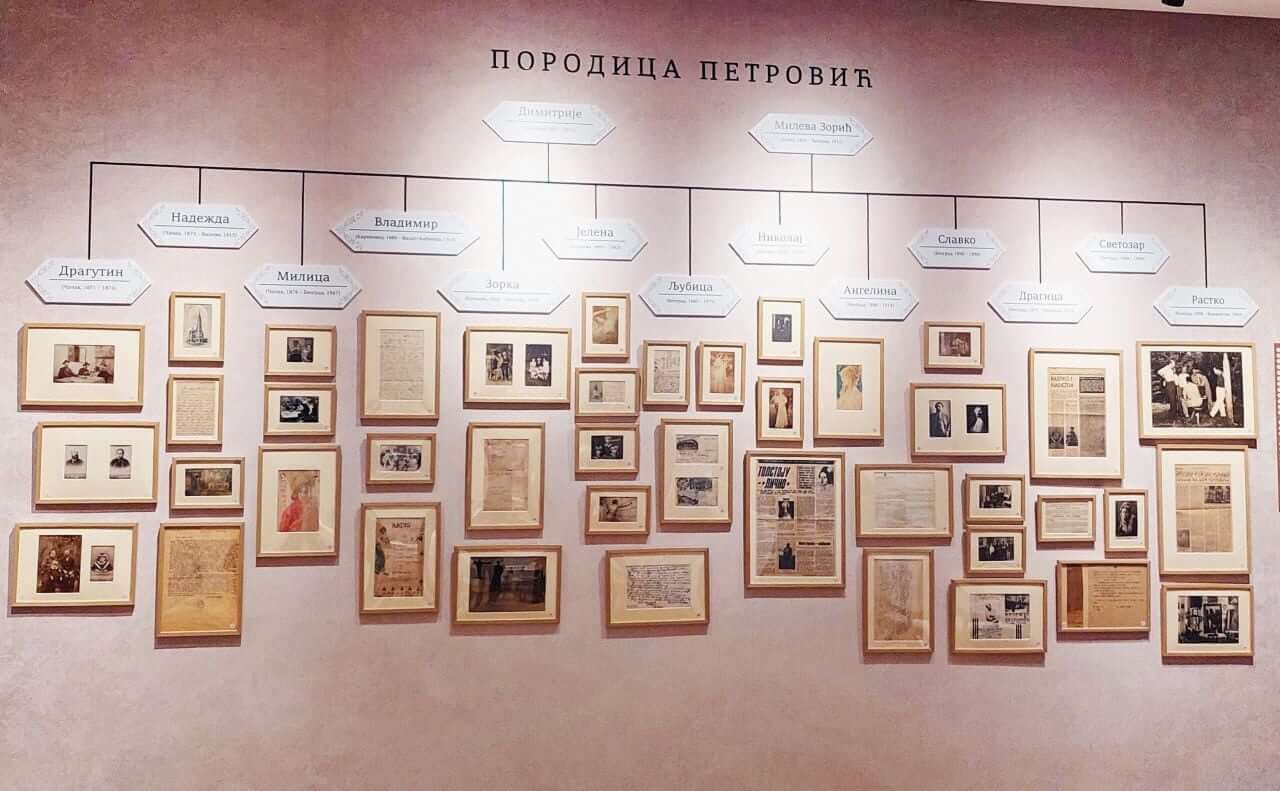
Petrović family
On the ground floor of the museum, there are rooms dedicated to Rastko and Nadežda. On the first floor, there are two rooms dedicated to the Petrović family, where various workshops and literary evenings are held today.
The entire space of the museum exudes a homely atmosphere, where you can see their family photos, letters, personal items, drawings, manuscripts, Rastko’s gramophone records, his library and a collection of African items from his travels, as well as Nadežda’s flask.
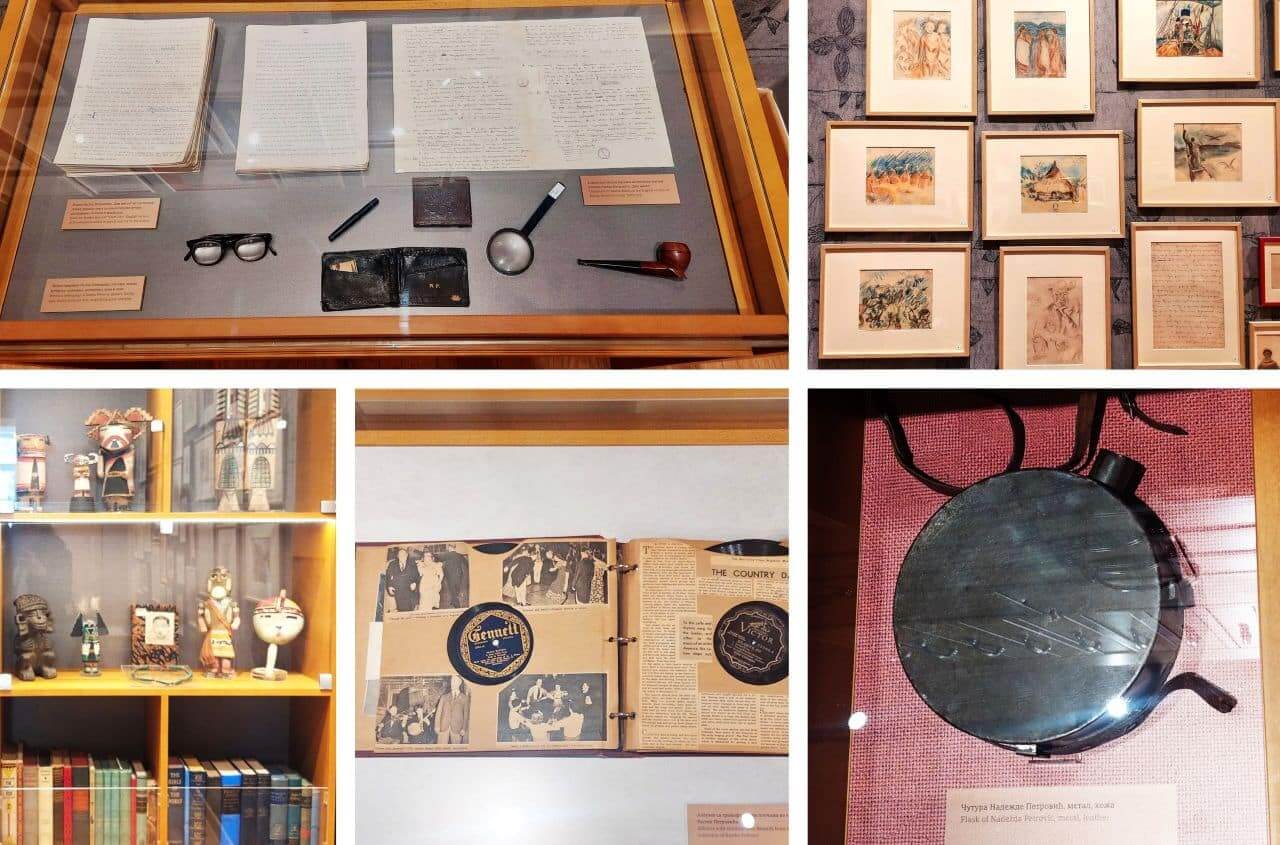
Private things of Rastko, and Nadežda flask
Nadežda’s life
Nadežda was born in Čačak in 1873 and moved with her family to Belgrade in 1884. Her parents were educated and advocated for the revival of Serbia and better living conditions. Her father, Dimitrije, was a drawing teacher at the gymnasium, where he met Mileva, a history and literature teacher, which was very rare at the time. Intellectuals gathered in their house and nurtured various types of art. There were 13 children in the family, and Nadežda was 25 years older than the youngest, Rastko, a famous writer, painter and diplomat.
Nadežda graduated from the Women’s High School. At the same time, she attended private drawing lessons with the famous realist painter Đorđe Krstić. Then, she began her education in Munich in 1898, in the studio of the Slovenian Anton Ažbe, and later continued at the school of the Impressionist Julius Ekster.
She was involved in the founding of the first artistic association of Serbian fine artists, “Lada” in 1904, which was named after the ancient Slavic goddess of summer, love and beauty. She also participated in the formation of the First Yugoslav Art Colony in Sićevo (Pirot) in 1905, which still exists today.
At the beginning, Nadežda was often criticised for her paintings, which were oriented towards the contemporary trends of European art. However, she always had the support of her parents. And, she said that everyone who brings something new is criticised, but you should be yourself and fulfil your mission.
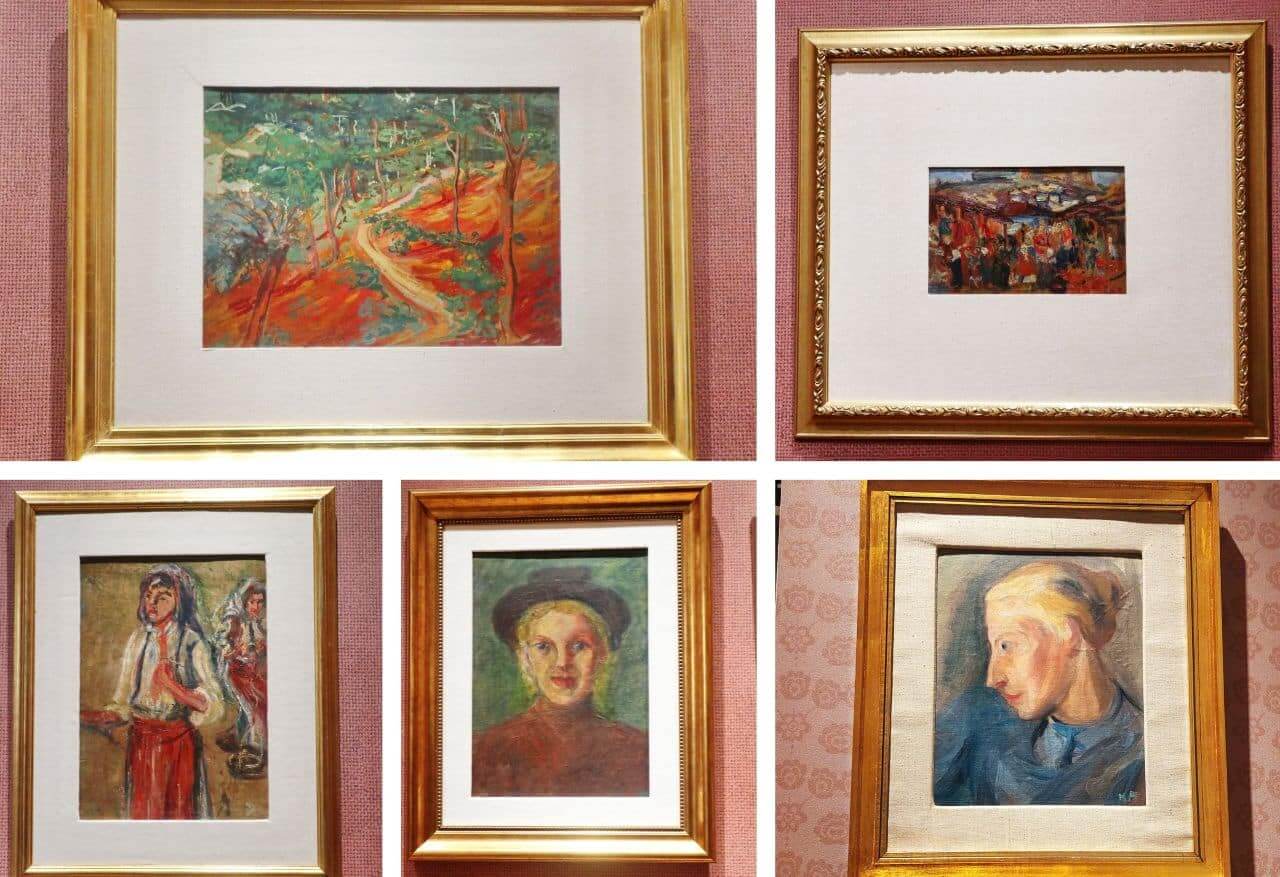
Famous paintings of Nadežda Petrović
🖼️ Famous paintings by Nadežda Petrović
She found inspiration in Serbian landscapes and costumes. Nadežda is the author of almost three hundred oil on canvas, watercolors and drawings. Among them, the most represented are portraits and landscapes. Her most famous paintings are: “Košutnjak” (1904), “Resnik”, “Self-Portrait”, “Dereglije na Sava” (1907), “Bavarian with a Hat” (1900), “The Market” (Skopje, 1914), “Kosovo Peonies”, “Prizrenka (Gypsy Woman)”, “Old Fountain in Prizren”.
She brought expressionism from Paris, and under this influence, the paintings “Dancer” (1910, dedicated to the dancer Alan Maud), “Bologna Forest” and “Church of the Virgin” were created. There are 30 of Nadežda’s paintings in the legacy, and five of them are currently on display, showing the different styles she used.
She was also the first female art critic alongside Branko Popović, and one of the first women war photographers in the Balkans during the Balkan and First World Wars. In the museum, you can see several of her wartime photographs. The Kingdom of Serbia awarded her the Order of Saint Sava, the Order of the Red Cross and the Medal for Courage.
With its specific style, bright colours, elements of Symbolism, Art Nouveau, Impressionism and Fauvism in paintings. Nadežda was ahead of the artists of that time. Art critics rank her paintings among the best works of domestic fine art.
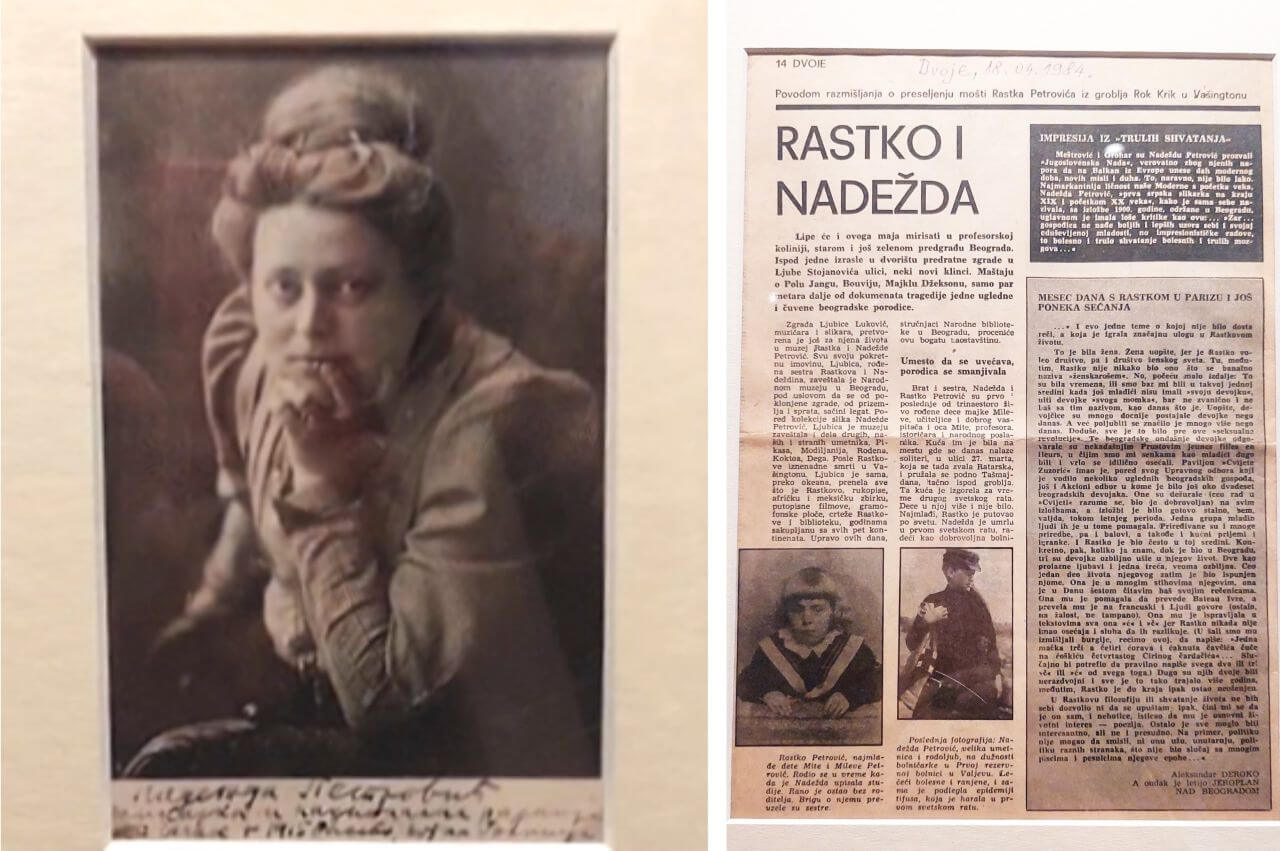
Famous Serbian painter, Nadežda Petrović
Fighter for women’s rights
Nadežda was also known as a great fighter for women’s rights. She even broke off the engagement, which was a big scandal at the time. And she did not agree with giving a dowry along with the bride! Nadežda told her mother that “everyone can be a married woman, but not everyone can be a painter”.
Known as a great humanitarian and activist, she was one of the founders of Kolo srpskih sestara (the Circle of Serbian Sisters), founded in 1903. Also, she was a nurse during the Balkan Wars and the First World War. This brave woman carried painting tools and ammunition together in her bag.
Although she did not have to respond to the nurse’s call again, she went to the hospital in Valjevo and cared for patients infected with typhus. However, she also fell ill and died on the 3rd of April in 1915 in Valjevo, at the age of 42.
Her remains were transferred from the cemetery in Valjevo to Belgrade’s New Cemetery in June 1935, where the bones of her brother, Rastka, were later transferred.
In Pionirski Park, in 1989, a marble monument dedicated to Nadežda, the work of sculptor Angelina Gatalica, was erected. Since 2005, Nadežda’s image has also appeared on the 200 dinars paper banknote.
📍Location: Nadežda and Rastka Petrović Memorial Museum, Ljubomira Stojanovića, 25.
Opening hours: Tuesday, Wednesday, Friday, Sunday 10 AM-6 PM, Thursday and Saturday 12 PM-8 PM, closed on Mondays.
👩🏻 Princess Ljubica, the first lady of modern Serbia
“The Women’s Walk in Belgrade” finished at the Princess Ljubica’s Residence, where we heard the story of Princess Ljubica, the wife of Prince Miloš Obrenović.
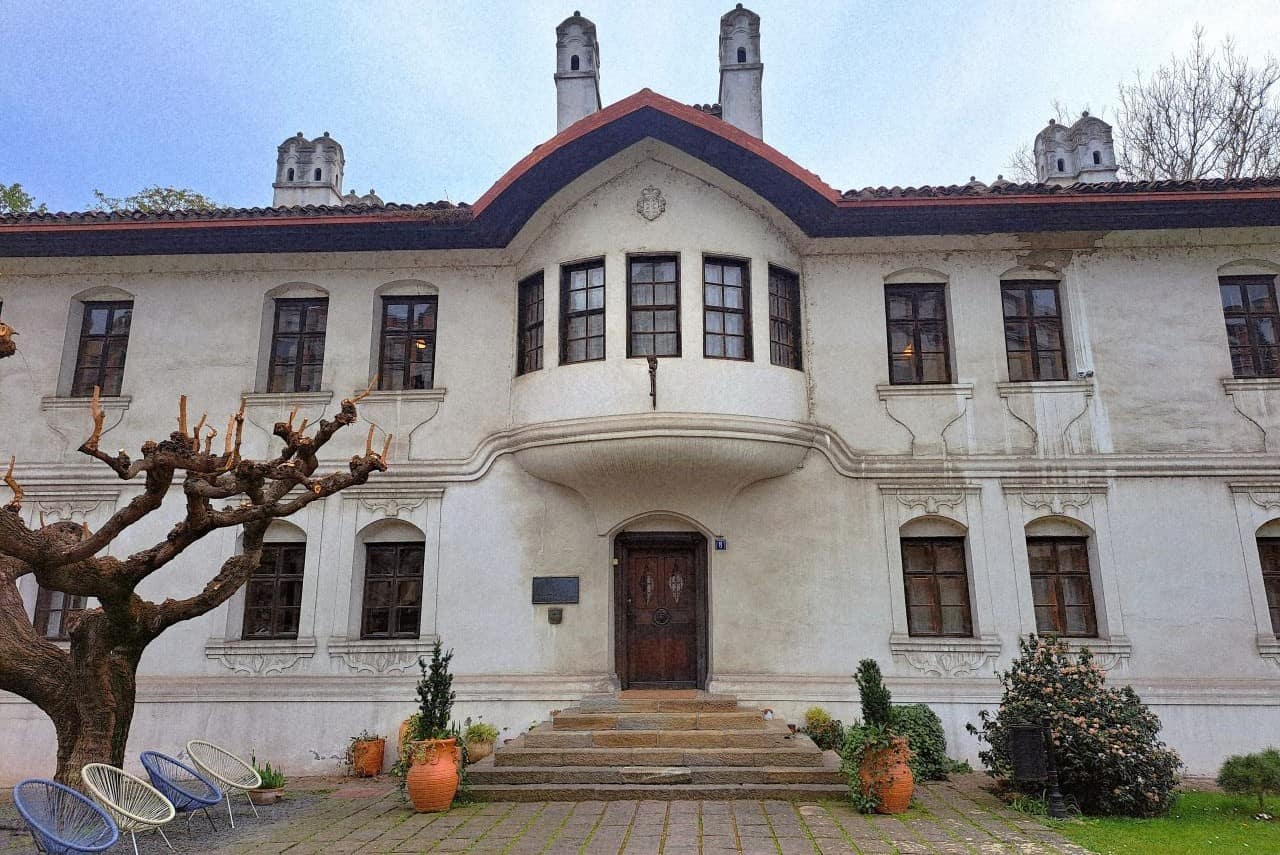
Princess Ljubica Residence
Ljubica was born around 1785, and she came from a respectable and wealthy Vukomanović family. She married Miloš in the spring of 1804, and their godfather was Karađorđe, for whose death Miloš was responsible in 1817.
Ljubica and Prince Miloš had two daughters, Petrija and Savka, and two sons who became Serbian princes: Milan (ruled 1839) and Mihailo (ruled 1839–1842 and 1860–1868); several of their children died prematurely.
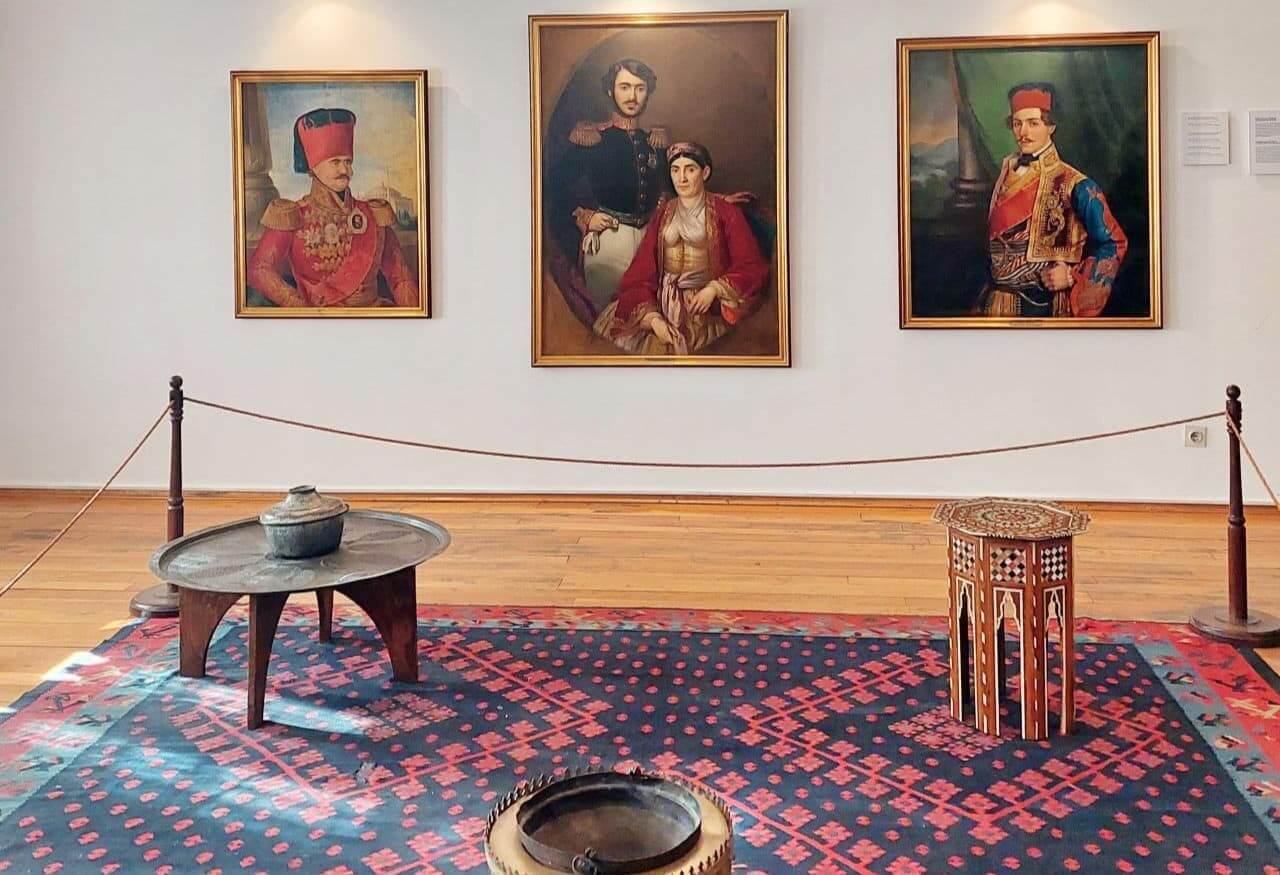
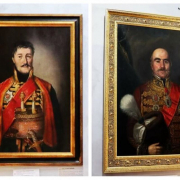
Portraits: Prince Miloš (left), Princess Ljubica with her eldest son, Milan (middle), Prince Mihajlo (right)
The princess’s life was not easy, but still, she was a symbol of strength and struggle during the Serbian uprisings. It was the time when women lived in the shadow of their husbands. Although illiterate, she was wise, hardworking and fearless. She took care of the property, the state treasury, and she did not hide with her children during various conflicts. She was loved, respected, and gained a great reputation among the people.
By the way, Ljubica did not have a good relationship with Miloš, and they did not agree on political issues either. Their marriage was additionally complicated by Miloš’s numerous love adventures, which she could hardly bear. In a moment of humiliation and jealousy, Ljubica killed one of his lovers, Petrija, and her pregnancy saved her from the death penalty. After that, they started living separately, and her residence was today’s Konak.
Residence of the Princess Ljubica
After several centuries, the Konak residence became the first official palace and the most representative building in Belgrade at that time. It was built from 1829 to 1830, according to the ideas and supervision of Hadži-Nikola Živković, the first architect in restored Serbia.
Princess Ljubica welcomed important guests here, and Prince Miloš also received foreign officials, although he spent most of his time in his Topčider residence.
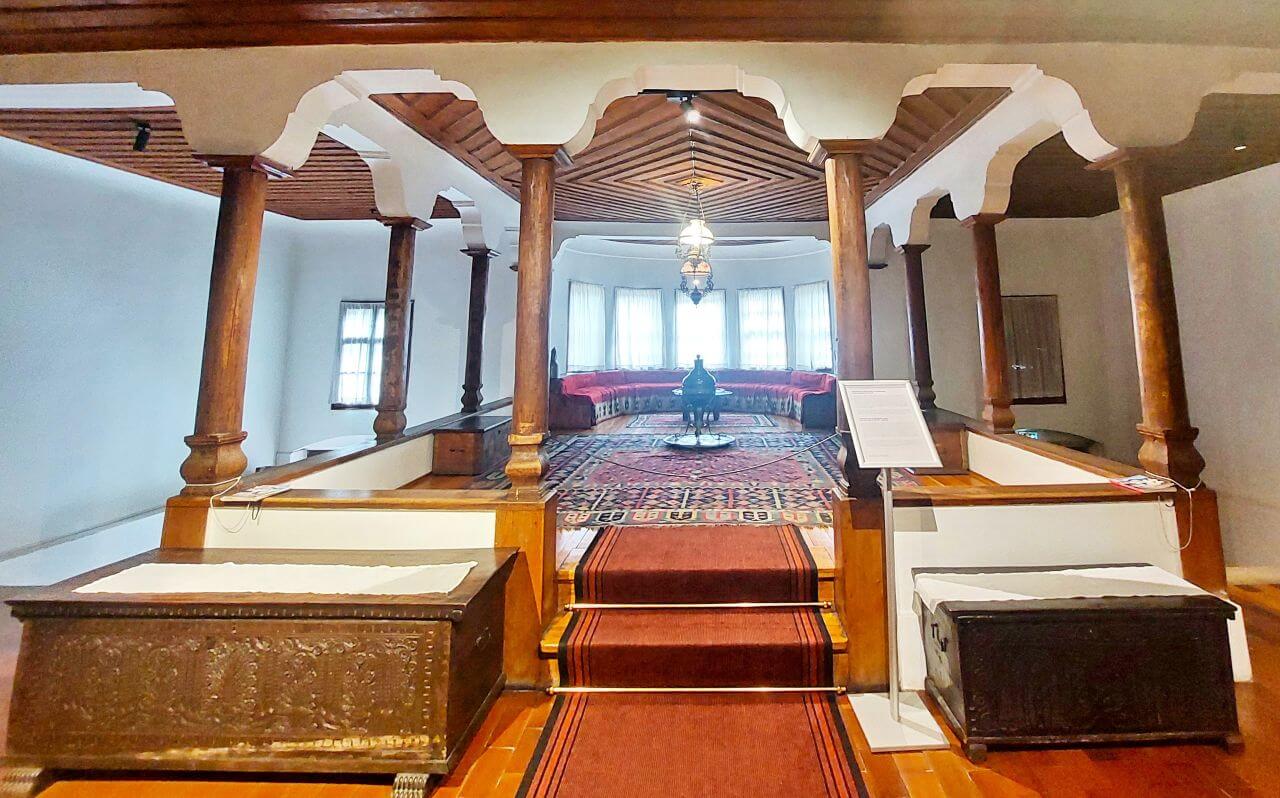
Divanhane room (conversation room), the Princess Ljubica Residence
Konak is a combination of three styles: Balkan, Turkish and Biedermeier (Central European architecture).
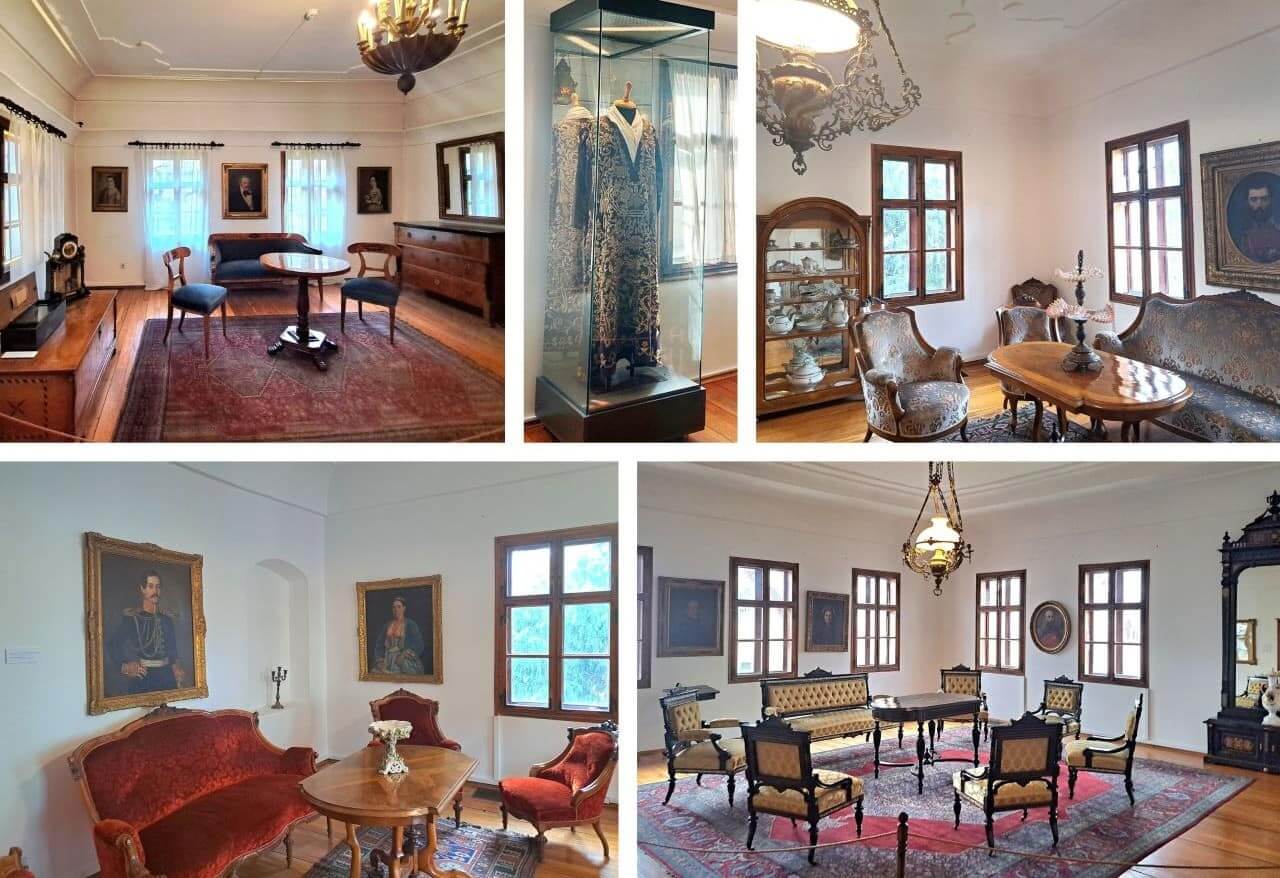
Inside the Princess Ljubica Residence
Ljubica lived there until 1842, when she had to leave it due to the political situation in Serbia, i.e., when the constitutional defenders and political opponents of Prince Miloš expelled her and Prince Mihajlo. Since then, the building has not been used as a residence, but as the seat of various state institutions, and a part of the Belgrade City Museum since 1980.
Princess Ljubica died in 1843 in Novi Sad, and she was buried in the Krušedol Monastery on Fruška Gora. Known as the Great Lady, she was and remains an important figure in Serbian history during the first half of the 19th century.
📍Location: Kneza Sime Markovića 8.
Opening hours: Tuesday, Wednesday, Friday, Sunday 10 AM-6 PM, Thursday and Saturday 12 PM-8 PM, closed on Mondays.
👉 You can find out more about the history of the Obrenović and Karađorđević royal families in the text:
Exhibition of Serbian Royal Portraits.
👉 Read more about the Krušedol monastery in Fruška Gora in the text:
Monasteries of Fruška Gora.
👩🏻👱🏻♀️👩🏻🦰 The Women’s Walk in Belgrade
After the Women’s Walk, the gathering continued with coffee, conversation and the sounds of pianist Nikola Ljubenović’s piano in the pleasant atmosphere of Princess Ljubica’s Residence.
“In our busy time, it is a real privilege to find a moment when we can stop and remember the lives of our famous women whose achievements and kindness left a mark in time and on our souls. I believe that in our next gatherings we will have the opportunity to remember all the Serbian poets, writers, and artists who still inspire many of us,” said Žaklina Milenković, editor-in-chief of “Lepa & Srećna” magazine.
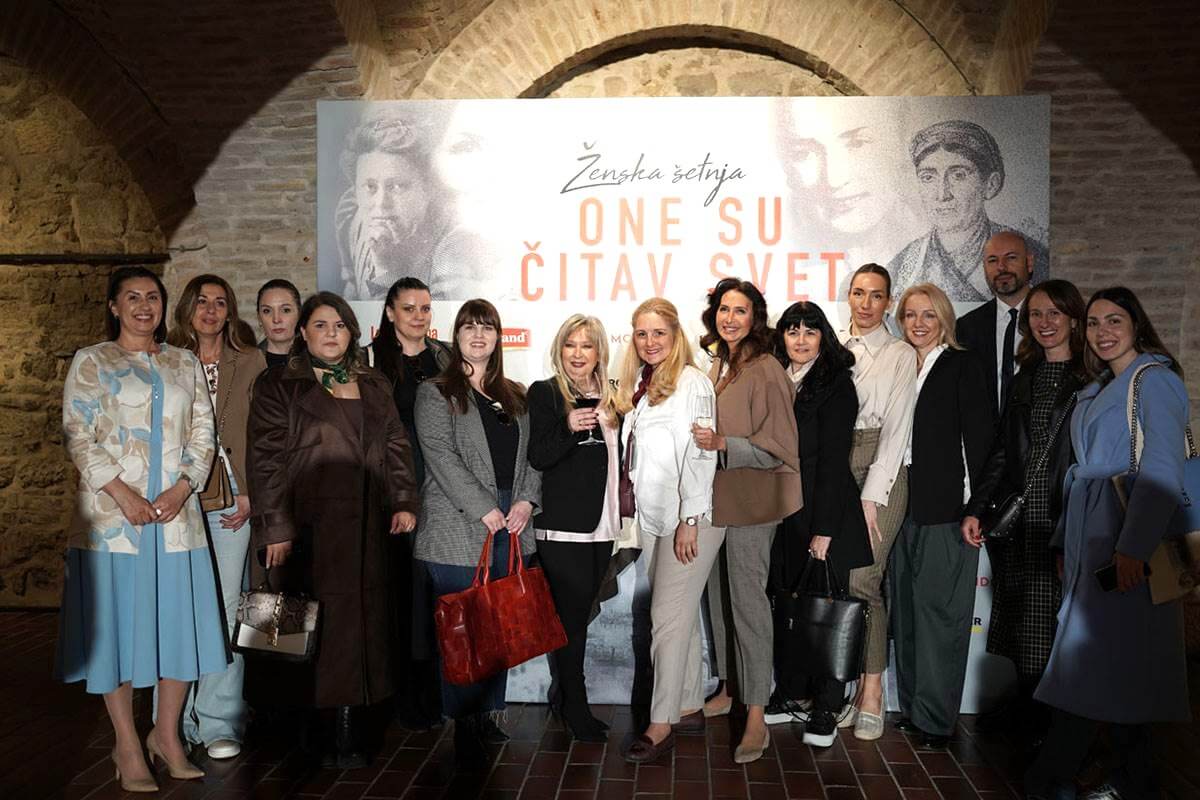
Belgrade, Princess Ljubice Residency, Women’s Walk, 26.0.3.2026, photo by Matija Popović
The Women’s Walk was attended by a group of famous women, such as Dr Marija Zdravković (cardiologist, director of KBC Bežanijska kosa), Dragana Radaković (opera diva), Katarina Gromilić (ballerina), Marina Ćosić (actress), Mirjana Popović (protocol advisor), Tina Grabež (influencer)…
Friends of the event were Grand coffee and Kärcher.
Usually, we start our day with good, fragrant coffee. The coffee is also a favourite occasion for conversation and everyday small pleasures that make life more beautiful. On the other hand, it is important to have enough time for our loved ones and friends, which Kärcher’s efficient solutions for maintaining hygiene in homes and business premises can help us with.
✨✨✨✨
I really enjoyed this Women’s Walk in Belgrade and the stories about the famous women of Serbia. They had a great influence on social and political events, each in their own environment. And all of them were ahead of the time in which they lived, as a symbol of strength, persistence and energy that move and inspire even today.
Because… Women are the whole world 🌍


Leave a Reply
Want to join the discussion?Feel free to contribute!